
MILS Standard for LEGO Train Layouts: Easier Building, Harder Decisions?
LEGO train builders, listen up. You know how your sprawling dieselpunk city layout suddenly feels like a permanent, unmovable commitment? BrickNerd has dropped a guide to the MILS standard, which stands for Modular Integrated Landscaping System. It’s basically a way to build your LEGO train tracks and scenery in self-contained, easily manageable sections. Think of it as LEGO landscaping on a diet of pre-portioned meals.
This isn’t about a new set you can buy. This is about a building technique. The MILS standard aims to make your custom train layouts more flexible. Instead of one giant, heavy base, you build smaller, standardized modules. These modules can be easily connected, disconnected, and transported. That means you can actually move your train layout without needing a small army and a forklift. It also makes storage much simpler. You can break down a huge layout into smaller chunks and store them away when not in use. This modular approach can also help standardize track height and ensure a smoother running experience for your trains, which is always a win.
The deep dive from BrickNerd goes into the nitty-gritty of how to implement MILS for your own custom train builds. It covers everything from the base construction of the modules to integrating scenery and track systems. If you’ve ever wrestled with the idea of building a massive LEGO train setup only to be paralyzed by the sheer logistical nightmare of building, moving, and storing it, this guide is for you. It promises to simplify the process, making complex layouts more accessible to the average builder.
While the concept is straightforward – build in sections – the execution can lead to its own set of challenges. The standardization aspect means you’ll need to plan carefully. Deviating from the standard can defeat the purpose of modularity. So, while it makes life easier in some ways, it also requires a bit more upfront planning and adherence to the system. It’s a trade-off between ultimate creative freedom and practical, manageable construction. The guide aims to help you navigate this, but the decision to adopt MILS is one that requires careful consideration for any serious LEGO train builder.
No specific set numbers are associated with this guide, so direct Indian pricing is impossible. However, the materials needed for MILS construction – baseplates, bricks, and track pieces – are readily available. Based on the cost of components for a medium-sized modular layout, expect the materials to cost roughly the same as 8 months of Spotify Premium. MyBrickHouse and Toycra are the go-to stores for all your LEGO needs, and you can expect a 4–6 week lag for new official sets to arrive after their global launch. Use code ABHINAV12 for 12% off on orders above ₹500 at Toycra. It’s a smart approach for anyone serious about custom LEGO train layouts, offering a pathway to bigger and better builds without the usual headaches.
On that bombshell, it's time to say goodbye. I'll see you on the next one. Bubyee.
🎉 Exclusive deal: ABHINAV12 — 12% off at Toycra. Min ₹500.
FREQUENTLY ASKED QUESTIONS
Where can I buy the latest LEGO sets in India?
What is the best LEGO deal in India right now?
Are LEGO sets available in India?
Why are LEGO sets expensive in India?
Is there a discount code for LEGO in India?
MORE NEWS
LEGO Flamingo Builds Feature Dragon Jaw Piece: Clever Part Use Spotted
You know that feeling. You’ve got that one weird LEGO piece, right? The one that’s so specific, it feels like it’ll never see the light of day in any of…
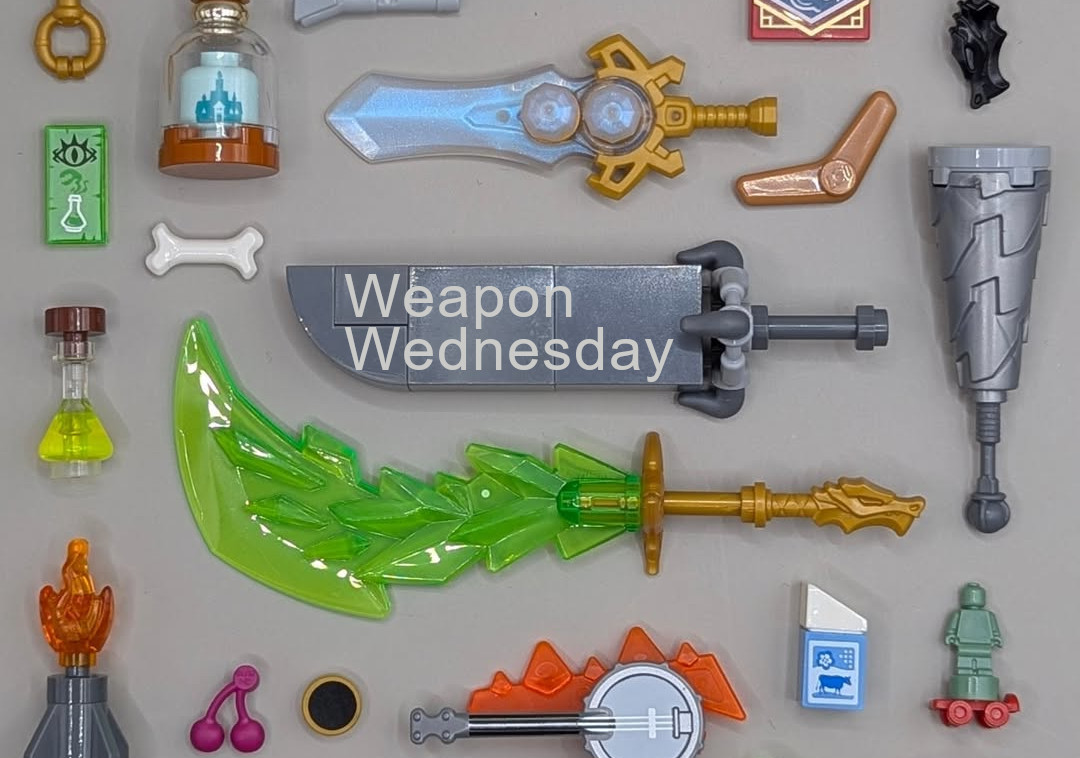
Weapon Wednesday: Tiny LEGO Weapons & Knolling Rituals – What Indian Builders Should Know
Your commute just got a little sharper – imagine juggling a train ticket and a tiny LEGO sword. Your wallet is already sweating before we even talk about the co
LEGO Ebon Hawk: Your Wallet Remains Safe… For Now
The Ebon Hawk is back, sort of. The ship from Knights of the Old Republic, a game many of us still fondly remember, has been recreated by builder Jonah Frost. I